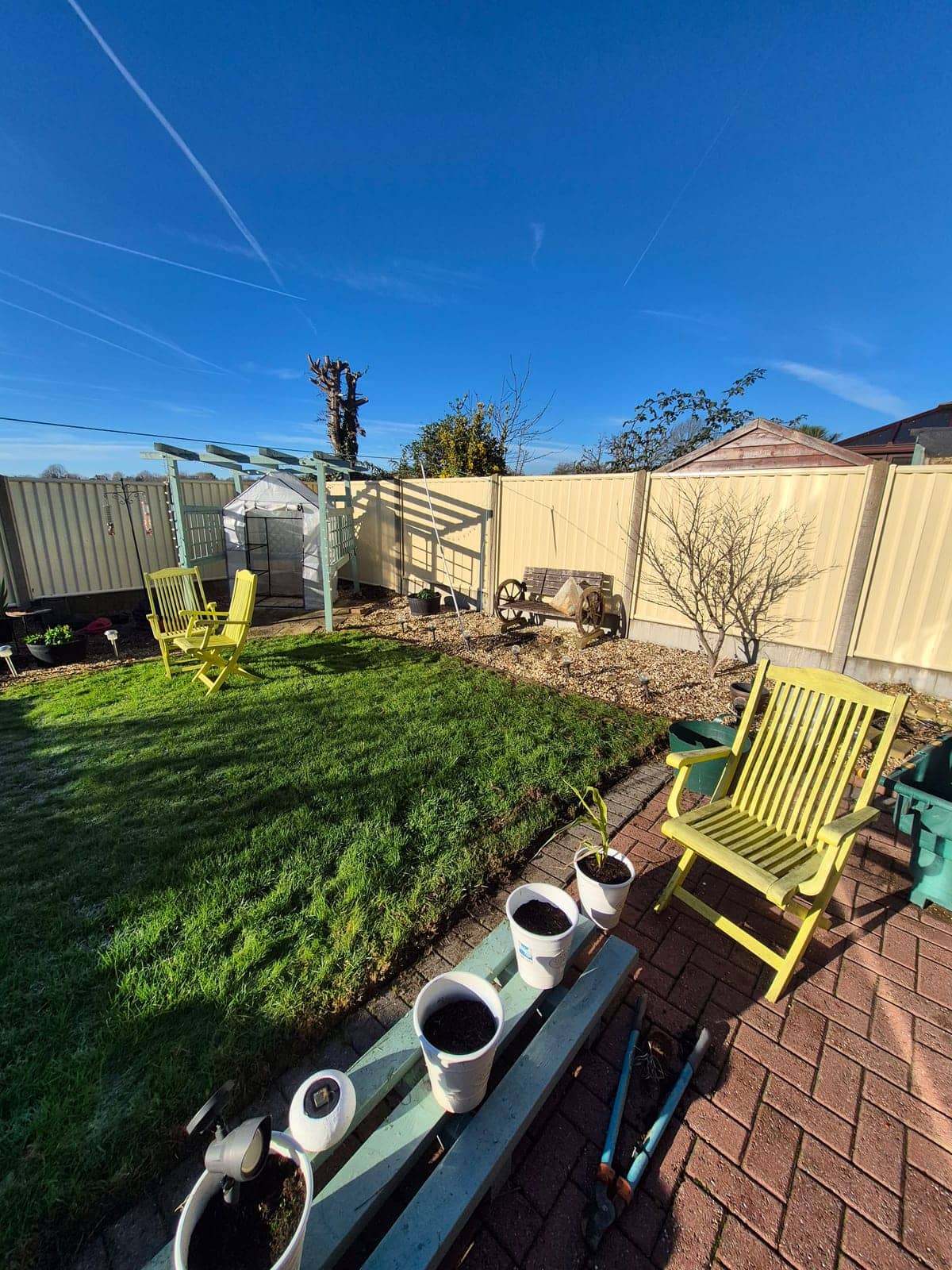
A garden that used to be a source of pride can quietly turn into a source of worry once it gets too much for the person who has always looked after it. Often nobody quite decides to stop maintaining it, it just gets harder a little at a time, until a son, daughter or neighbour notices and starts wondering what to do about it.
If that is you, here is a straightforward, practical guide to sorting it: what actually needs arranging, the questions worth asking whoever you choose, and how a regular visit works once it is set up.
Why this is worth sorting sooner rather than later
An overgrown garden is not just untidy. Uneven paths hidden under growth, slippery moss on paving, and overhanging branches are genuine trip and fall risks for anyone less steady on their feet, which matters far more than how the borders look. Sorting it properly removes those hazards as much as it tidies the garden up.
It also tends to be one less thing weighing on everyone involved. The person living there often feels guilty about a garden they can no longer manage, even when nobody else minds. Taking that off their plate, without making a big thing of it, is usually appreciated more than the garden work itself.
What actually needs arranging
Most situations need a mix of the same few things, though the exact balance depends on the garden:
- A one-off tidy first, to bring an overgrown garden back to a manageable state before ongoing visits start.
- Regular lawn mowing, which is often the first job that becomes physically difficult.
- Hedge and shrub trimming, particularly anything that has grown high enough to need a ladder, which is not worth anyone risking.
- Keeping paths and steps clear, since these are the areas that actually cause falls.
- Ongoing borders and general upkeep, at whatever level keeps the garden looking cared for rather than abandoned.
Questions worth asking before you book anyone
Whoever you choose, a few questions upfront save trouble later, especially since you may be arranging this from a distance and cannot easily check in yourself:
- Is it the same person or team every visit, or whoever is available that week? Familiarity matters more here than almost anywhere else in gardening.
- How will you know a visit has happened, if you are not there to see it? A text on the day, as we do, means you are not relying on your parent to remember to mention it.
- Can they be contacted directly for adjustments, without everything having to go through you first?
- Are they insured, and comfortable working around someone who may not always be in the garden while they work?
- Is there a single point of contact if something needs sorting, rather than a call centre and a ticket number?
Why a monthly plan usually suits this situation best
A one-off tidy solves the immediate problem, but the garden will drift back to needing rescuing again within a season if nobody is maintaining it in between, which puts everyone back to square one. A monthly plan, the same crew visiting on a set rhythm, means the garden simply never gets back to that state, and neither you nor your parent has to notice it sliding and arrange another rescue.
It also removes the awkwardness of your parent having to ask for help each time. Once a plan is set up, it just happens, on schedule, without anyone having to raise it again.
Setting it up without making it a big production
The easiest way to arrange this is usually for you to make the initial contact and describe the garden, then let the actual visits happen directly with your parent, so they are not left feeling managed or fussed over. Most people we work with in this situation are simply relieved someone reliable is coming, not precious about how the arrangement came about.
A photo of the garden, sent by WhatsApp or through the quote form, is often the easiest way to start, especially if you live some distance away and cannot get there yourself to show anyone round.
What we do differently for this
We text on the morning of every visit, which matters more here than for most customers, since it gives you or your parent a clear signal the job has happened without anyone having to check. We are the same crew every time, we are happy to speak to whoever is arranging things rather than only the person whose garden it is, and we will flag anything that looks like it needs attention beyond the garden itself, a loose paving slab or a step that has become uneven, rather than just quietly working around it.
Sort it, don't just read about it