Lincolnshire is one of the driest parts of the UK, well below the national average rainfall in a normal year, and that is before a genuinely dry summer on top. Planting for that reality rather than against it means fewer dead shrubs, less watering, and a border that still looks like something in August rather than a row of brown twigs.
This is what we actually plant and recommend for dry, exposed Lincolnshire gardens, and the honest print alongside it about what drought-resistant does and does not mean.
What 'drought-resistant' actually means
It does not mean a plant that needs no water, ever. It means a plant that, once properly established, copes with dry spells without regular watering or obvious stress. Every plant on this list, including the toughest, needs regular watering for its first year or two in the ground while the root system develops. Skip that and even a genuinely drought-tolerant plant can fail before it ever gets the chance to prove it.
That distinction matters because it is the single most common reason drought-resistant planting disappoints people: they plant it, water it once, and blame the plant when it struggles the following summer, when the actual issue is the roots never got the chance to go deep enough.
Why Lincolnshire specifically
Lincolnshire sits in one of the driest corners of England, with a lot of the county on light, free-draining soils that lose moisture fast, and flat, exposed land that adds wind on top of the dry air. That combination is harder on planting than most of the UK, which is exactly why choosing the right plants here matters more than it might in a wetter, more sheltered county.
Plants that genuinely cope
We keep this list to plants we have actually seen hold up in dry Lincolnshire gardens, not a generic national list.
- Lavender: the obvious choice for good reason, thrives on poor, dry soil and struggles more from being overwatered or sat in heavy clay than from drought itself.
- Rosemary: woody, evergreen, copes with genuinely poor soil and full sun, and earns its keep in the kitchen too.
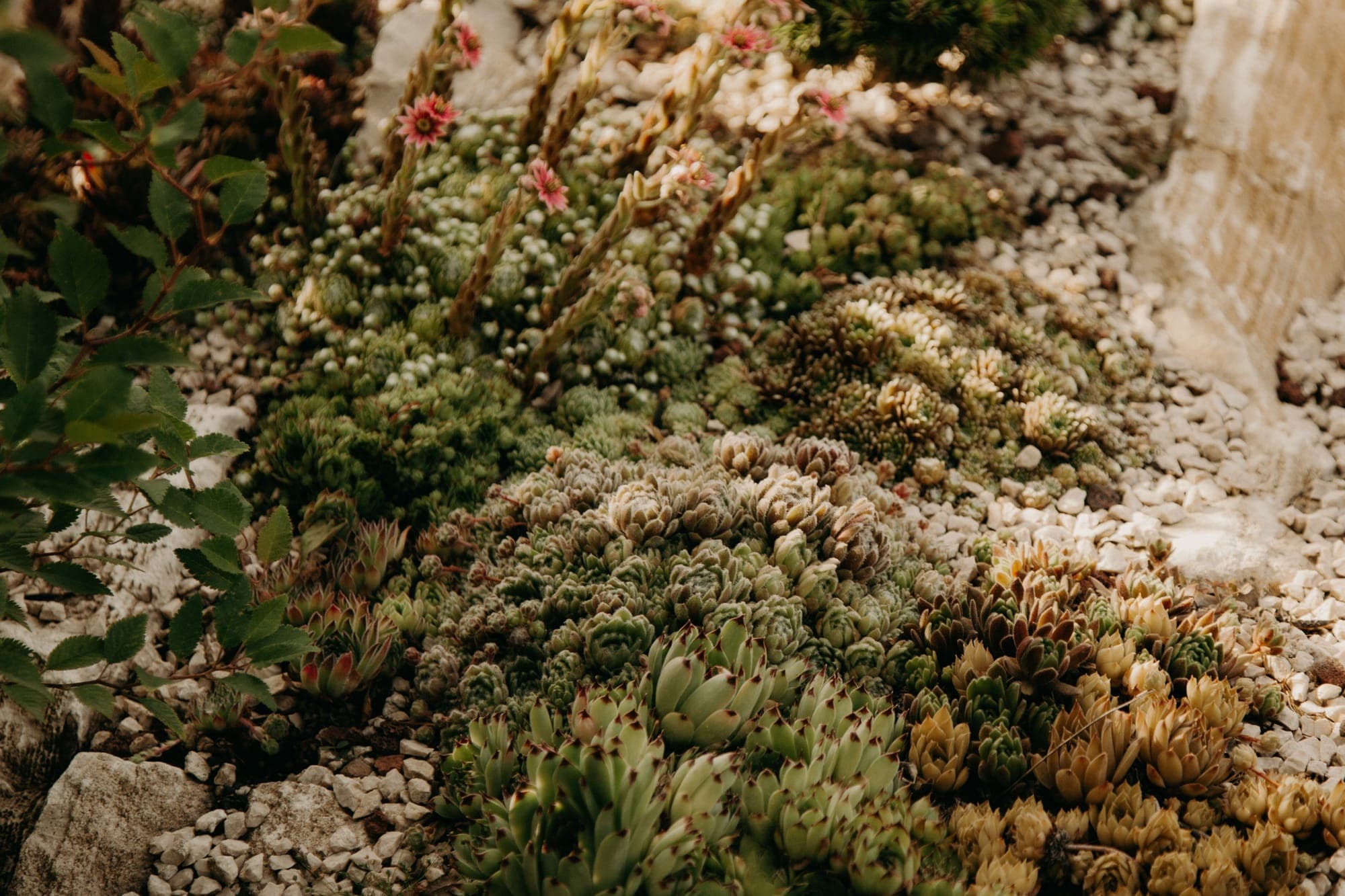
- Sedum and other stonecrops: low, spreading, built to store water in their leaves, and reliable ground cover for a dry sunny bed.
- Ornamental grasses (stipa, festuca, miscanthus): deep-rooting once established, move nicely in the wind that Lincolnshire has plenty of, and hold their structure through a dry summer better than most flowering perennials.
- Verbena bonariensis: tall, airy, self-seeds readily, and copes with dry, poor soil while still giving height and colour through summer.
- Achillea (yarrow): flat flower heads, genuinely tough once established, tolerates poor dry soil that would sulk most border perennials.
- Santolina: a low, silvery, aromatic shrub built for hot, dry, sunny spots, classic gravel-garden planting.
- Hardy geraniums (the tougher varieties): not all cope with dry shade, but several genuinely do and are far more forgiving than their reputation for needing damp soil suggests.
Soil prep and mulching matter more than the plant list
A drought-tolerant plant put straight into thin, compacted soil and left bare around the base will still struggle. What actually makes the difference is improving the soil's structure before anything goes in, so roots can get down deep rather than staying shallow, and mulching straight after planting to hold what moisture there is.
Mulch is doing two jobs at once here: it slows moisture loss from the soil surface, and it keeps weeds down that would otherwise compete with a young plant for the water that is there. A well-mulched, poorly-chosen plant will often outlast an unmulched drought specialist, which tells you which part of the job actually carries the most weight.
When to plant
Autumn, not spring, and not summer. Planting in autumn gives roots a full autumn and winter, while the soil is still workable and rain is more reliable, to establish before they have to face their first dry summer. Plant the same drought-tolerant border in May instead and you are asking a brand new root system to survive a Lincolnshire summer with almost no time to prepare for it, which is exactly backwards.
What we do with this on site
When we plant borders, drought-tolerant or otherwise, the aftercare is part of the job, not an afterthought: proper soil prep, mulching straight after planting, and watering through that critical first year so the plants get the chance to actually establish rather than being left to sink or swim. A border planted properly once needs far less looking after for the next ten years than one planted quickly and left.
Sort it, don't just read about it